
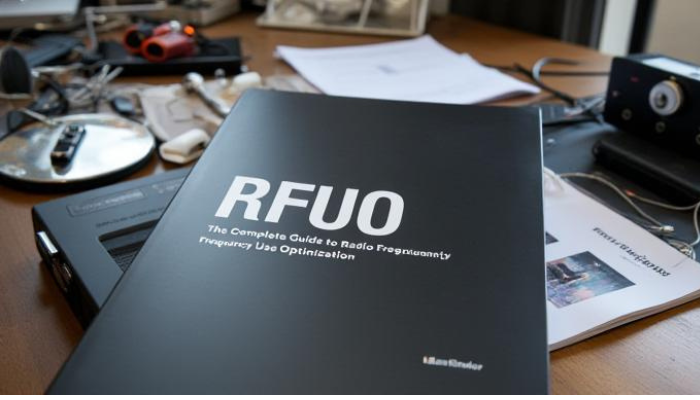

Radio Frequency Use Optimization, commonly known as RFUO, has become a critical component in managing modern wireless networks. As our world becomes increasingly connected, understanding how to maximize radio frequency efficiency isn’t just technical jargon anymore. It’s essential knowledge for businesses, IT professionals, and anyone interested in improving wireless communication systems.
This comprehensive guide will walk you through everything you need to know about RFUO, from basic concepts to advanced implementation strategies.
What Is Radio Frequency Use Optimization
Radio Frequency Use Optimization refers to the systematic process of improving how wireless networks utilize available radio frequency spectrum. Think of it as organizing a crowded room where everyone needs to have their own conversation. Without proper coordination, everyone talks over each other, and nobody can communicate effectively.
RFUO tackles this challenge in the wireless world by ensuring that radio frequencies are assigned, managed, and utilized in the most efficient way possible. This optimization reduces interference, improves signal quality, and maximizes the capacity of wireless networks.
The concept has gained tremendous importance as the number of wireless devices continues to skyrocket. From smartphones and tablets to IoT sensors and smart home devices, each piece of equipment competes for limited spectrum resources.
Why RFUO Matters in Today’s Connected World
The importance of Radio Frequency Use Optimization cannot be overstated in our hyperconnected society. We rely on wireless communication for virtually everything, from basic phone calls to critical infrastructure management.
Poor frequency management leads to dropped calls, slow data speeds, and frustrated users. Businesses suffer from reduced productivity, and service providers face customer complaints and churn. RFUO addresses these pain points directly by creating a more organized and efficient wireless environment.
Moreover, with the rollout of 5G networks and the expansion of IoT applications, spectrum has become an even more precious resource. RFUO helps extract maximum value from this limited commodity, allowing more devices to coexist without degrading service quality.
Regulatory bodies worldwide have also recognized the significance of proper frequency management. They continue to develop frameworks and guidelines that encourage optimization practices across all wireless communication sectors.
Key Components of Effective RFUO
Successful Radio Frequency Use Optimization relies on several interconnected components working together harmoniously.
Spectrum analysis forms the foundation of any RFUO strategy. This involves continuously monitoring the radio frequency environment to identify usage patterns, interference sources, and available channels. Modern spectrum analyzers provide real-time data that helps network engineers make informed decisions.
Channel allocation represents another critical element. This process determines which frequencies get assigned to specific transmitters or cell sites. Smart allocation algorithms consider factors like geographic location, expected traffic load, and potential interference sources.
Power management plays an equally important role. Transmitters that use excessive power create unnecessary interference for neighboring systems. RFUO strategies include adjusting power levels to the minimum necessary for adequate coverage, reducing the overall interference footprint.
Interference mitigation techniques round out the essential components. These methods identify and address sources of interference, whether they come from other wireless systems, environmental factors, or equipment malfunctions.
Benefits of Implementing RFUO Strategies
Organizations that invest in proper Radio Frequency Use Optimization enjoy numerous tangible benefits that justify the initial investment.
Network capacity increases dramatically when frequencies are used efficiently. The same physical infrastructure can support more simultaneous users and devices without requiring expensive hardware upgrades. This scalability proves especially valuable as organizations grow and add more wireless devices.
Service quality improvements become immediately noticeable to end users. Fewer dropped connections, faster data rates, and more reliable coverage create better user experiences. In commercial environments, this translates to higher customer satisfaction and increased loyalty.
Cost savings accumulate over time through multiple channels. Optimized networks require less troubleshooting and maintenance, reducing operational expenses. Additionally, organizations can delay or avoid costly spectrum acquisitions by making better use of existing allocations.
Regulatory compliance becomes easier to maintain with proper RFUO practices. Many jurisdictions have strict requirements regarding interference levels and spectrum usage. A well-optimized network naturally aligns with these regulations, avoiding potential fines and sanctions.
How to Implement RFUO in Your Organization
Implementing an effective Radio Frequency Use Optimization program requires careful planning and systematic execution.
Start with a comprehensive site survey and spectrum audit. Document all existing wireless systems, their frequencies, power levels, and coverage areas. Use professional-grade spectrum analyzers to map the current RF environment and identify problem areas.
Next, establish baseline performance metrics. Measure current network performance indicators like throughput, latency, error rates, and user satisfaction scores. These baselines will help you quantify improvements after implementing optimization strategies.
Develop a detailed optimization plan based on your audit findings. Prioritize issues by their impact on network performance and user experience. Some quick wins might include adjusting transmitter power levels or relocating access points to reduce interference.
Deploy monitoring tools that provide ongoing visibility into your RF environment. Modern network management systems can automatically detect changes in the spectrum landscape and alert administrators to potential problems before they impact users.
Train your technical staff on RFUO principles and best practices. Even the most sophisticated tools require knowledgeable operators who understand the underlying concepts and can make sound decisions based on available data.
Common RFUO Challenges and Solutions
Despite its benefits, Radio Frequency Use Optimization presents several challenges that organizations must navigate successfully.
Spectrum congestion tops the list in many urban environments. With countless wireless systems operating in close proximity, finding clean channels becomes increasingly difficult. Solutions include adopting dynamic frequency selection technologies that automatically identify and use the least congested channels.
Interference from external sources creates another persistent challenge. Everything from microwave ovens to neighboring wireless networks can disrupt your carefully planned frequency assignments. Comprehensive shielding, strategic equipment placement, and advanced filtering techniques help mitigate these external interference sources.
Legacy equipment compatibility often complicates optimization efforts. Older devices may not support advanced features like dynamic channel selection or adaptive power control. Organizations must balance optimization goals with the practical need to maintain backward compatibility, sometimes requiring phased upgrade approaches.
Budget constraints can limit the tools and technologies available for RFUO implementation. However, many optimization strategies require minimal investment, relying instead on smart planning and configuration changes. Starting with low-cost improvements builds momentum and demonstrates value for future investments.
Future Trends in Radio Frequency Use Optimization
The field of Radio Frequency Use Optimization continues to evolve rapidly, driven by technological advancement and changing usage patterns.
Artificial intelligence and machine learning are revolutionizing RFUO capabilities. These technologies can analyze vast amounts of spectrum data, identify patterns invisible to human observers, and automatically adjust network parameters for optimal performance. Self-optimizing networks that require minimal human intervention are becoming reality.
Cognitive radio technologies represent another exciting frontier. These intelligent systems can sense their RF environment and dynamically adapt their operating parameters accordingly. Cognitive radios can opportunistically use spectrum gaps, automatically avoiding occupied channels and reducing interference.
Millimeter wave spectrum utilization is expanding with 5G deployment. These higher frequency bands offer enormous bandwidth potential but present unique propagation challenges. New RFUO techniques specifically designed for millimeter wave characteristics are emerging to address these challenges.
Network densification through small cell deployment changes the optimization landscape. Rather than a few high-power transmitters covering large areas, modern networks use numerous low-power nodes. This architecture requires sophisticated coordination and frequency reuse strategies that push RFUO capabilities to new levels.
Measuring RFUO Success
Determining whether your Radio Frequency Use Optimization efforts are paying off requires establishing clear metrics and regularly evaluating performance.
Network capacity utilization shows how efficiently you’re using available spectrum. Track the number of simultaneous users or devices supported per megahertz of spectrum. Improvements in this metric indicate more efficient frequency use.
Quality of service measurements provide user-centric perspectives on optimization success. Monitor metrics like throughput, latency, packet loss, and connection reliability. End users care about their experience, not technical details, so these practical measurements matter most.
Interference levels can be quantified through signal-to-noise ratio and signal-to-interference ratio measurements. Decreasing interference indicates that your optimization strategies are successfully reducing RF conflicts.
Operational cost tracking reveals the financial impact of RFUO efforts. Calculate expenses related to spectrum licenses, equipment, maintenance, and troubleshooting. Successful optimization should reduce these costs over time while improving performance.
Radio Frequency Use Optimization represents both a technical discipline and a practical necessity in our wireless-dependent world. As spectrum becomes increasingly crowded and wireless applications multiply, the ability to efficiently manage radio frequencies separates high-performing networks from problematic ones.
The journey toward optimized RF use requires commitment, expertise, and the right tools. However, the rewards of improved performance, reduced costs, and better user experiences make the investment worthwhile. Whether you’re managing a corporate wireless network, operating a telecommunications service, or simply interested in wireless technology, understanding RFUO principles provides valuable insights into the invisible infrastructure supporting our connected lives.
By implementing the strategies and best practices outlined in this guide, you can transform your wireless network from a source of frustration into a reliable, high-performing asset that supports your organization’s goals and grows alongside your needs.
see also: Click here